
Creating a relaxing home office environment is essential for maintaining focus, reducing stress, and improving overall productivity. Whether you work remotely full-time or occasionally, your workspace can have a big impact on how well you work and how comfortable you feel. Here are some practical tips to help you design a home office that promotes calmness, concentration, and comfort.
Choose the Right Location
Finding the best spot for your home office is the first step toward creating a relaxing space. Ideally, select a quiet area away from distractions such as televisions, busy walkways, and noisy appliances. If you have some flexibility, choose a room with natural light and good ventilation.
Consider These Factors:
– Privacy: A separate room or corner with a door can help minimize interruptions.
– Lighting: Natural light is ideal, but if that’s limited, use soft, adjustable lighting.
– Noise: Use noise-canceling headphones or white noise machines if outside sounds are unavoidable.
Use Comfortable and Supportive Furniture
Your furniture plays a key role in how comfortable and productive you feel during long work hours. Investing in an ergonomic chair and desk can prevent discomfort and strain.
Tips for Furniture Selection:
– Choose a chair with good lumbar support and adjustable height.
– Select a desk large enough to fit your equipment but not cluttered.
– Consider standing desks or desk converters for options to alternate between sitting and standing.
Keep Your Space Organized and Clutter-Free
A messy workspace can lead to distractions and stress. Keeping your home office organized helps you focus on your tasks and makes your environment more tranquil.
Organization Ideas:
– Use shelves, filing cabinets, or wall organizers to store documents.
– Keep only essential items on your desk.
– Regularly declutter and clean your workspace.
Add Personal and Calming Elements
Personal touches can make your office feel more inviting without making it cluttered. Adding calming elements can help reduce work-related stress.
Suggestions for Calming Décor:
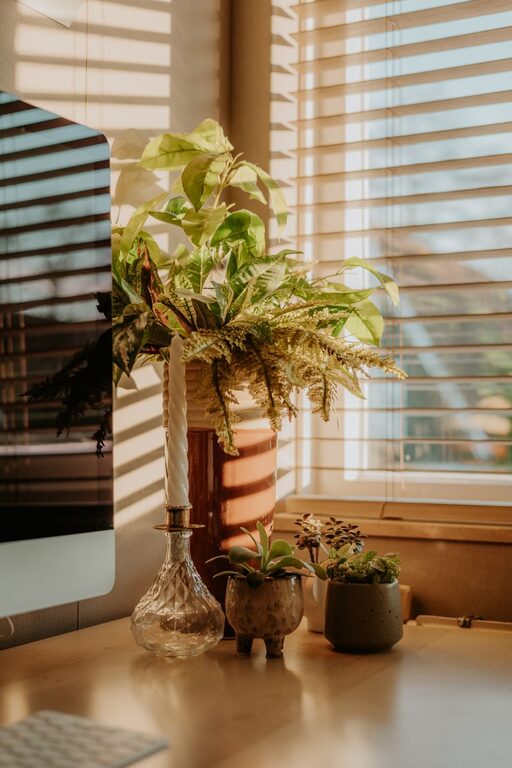
– Incorporate plants, which can improve air quality and bring a touch of nature indoors.
– Use gentle colors like soft blues, greens, or neutrals to create a soothing atmosphere.
– Display artwork or photos that bring positive feelings.
Manage Lighting and Screen Glare
Proper lighting reduces eye strain and headaches, improving your comfort while working.
Lighting Tips:
– Position your desk perpendicular to windows to avoid glare on your computer screen.
– Use adjustable desk lamps to control brightness.
– Consider using blue light filters on screens or wear computer glasses if you spend long hours in front of a monitor.
Create a Routine and Boundaries
Maintaining a daily routine helps balance work and relaxation, making your home office space feel more purposeful and less stressful.
How to Set Boundaries:
– Define clear work hours and stick to them.
– Use visual cues like closing your office door or turning off your computer at the end of the day.
– Communicate your schedule to family members or housemates to minimize interruptions.
Incorporate Sound and Smell for Relaxation
Sound and scent can greatly influence your mood and ability to concentrate.
Ideas to Try:
– Play soft background music or nature sounds to enhance focus.
– Use essential oil diffusers or scented candles with calming aromas like lavender or eucalyptus (be mindful of safety and ventilation).
– Avoid loud or jarring noises during work time.
Take Breaks and Move Around
Sitting for long periods can cause fatigue and reduce productivity. Scheduling regular breaks can refresh your mind and body.
Break Tips:
– Use a timer to remind yourself to stand, stretch, or take a short walk every hour.
– Practice simple stretches or breathing exercises to relieve tension.
– Spend some break time away from screens to rest your eyes.
Final Thoughts
A relaxing home office environment doesn’t have to involve expensive renovations or furniture. Small changes, thoughtful organization, and attention to comfort and ambiance can transform your workspace into a place where you feel calm and productive. Experiment with these tips and find what works best for you to create a home office that supports your well-being and work goals.